Beautiful Rose Brush: Elevating Digital Art with a Single, Stunning Tool
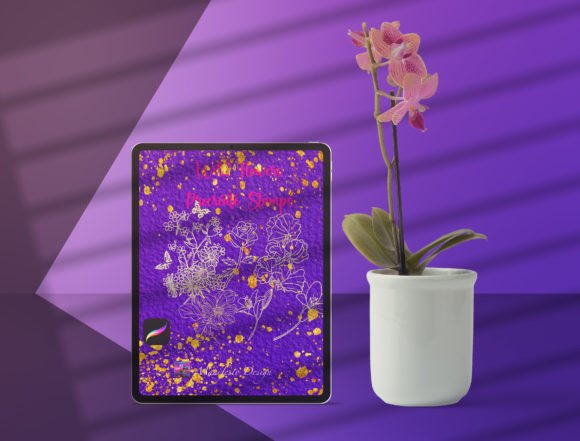
In the vast ecosystem of digital art resources, there is a common misconception that more is always better. We often find ourselves downloading massive packs containing hundreds of generic textures, only to spend hours sifting through mediocrity to find one usable asset. This is where the Beautiful Rose Brush stands out as a refreshing alternative. It is not about quantity; it is about precision, quality, and the immediate ability to add a touch of organic elegance to your work. By focusing on a single, high-caliber tool, this resource strips away the noise and delivers exactly what many creators are looking for: a reliable, aesthetically pleasing way to incorporate floral elements into their designs without the hassle of complex customization.
The Power of Simplicity in Digital Design
When you download the ZIP file associated with this set, you aren’t greeted with a confusing directory of obscure file types. Instead, you find a straightforward package containing either a .brushes or .swatches file, depending on your software preference. Inside, there is just one brush. This singular focus is its greatest strength. For graphic designers, illustrators, and hobbyists alike, having a dedicated tool that performs one specific function exceptionally well can significantly streamline the creative workflow. You don’t need to adjust opacity maps, tweak scattering settings, or worry about inconsistent stroke dynamics. The Beautiful Rose Brush is ready to use the moment you load it, allowing you to stay in the flow state rather than getting bogged down in technical adjustments.
Real-World Applications for Wedding and Event Designers
One of the most immediate beneficiaries of this tool is the community of wedding invitation designers and event planners who create their own digital assets. In this industry, roses are not just flowers; they are symbols of romance, tradition, and elegance. However, drawing a realistic rose from scratch requires a level of botanical knowledge and artistic skill that not every designer possesses. Even for those who can draw, doing so repeatedly for a suite of invitations, save-the-dates, and menu cards is time-consuming.
Using the Beautiful Rose Brush, a designer can stamp a perfectly formed rose onto a digital canvas in seconds. This allows for rapid prototyping of layout ideas. You can experiment with placement, rotation, and color overlays without committing hours to hand-drawing each petal. For small business owners who manage their own branding, this tool offers a cost-effective way to achieve a high-end, custom look without hiring an illustrator for every minor project. The consistency of the brush ensures that whether you are designing a business card or a large banner, the floral element remains cohesive and professional.
Enhancing Social Media Content and Branding
In the age of Instagram, Pinterest, and TikTok, visual consistency is key to building a recognizable brand. Lifestyle bloggers, beauty influencers, and boutique owners often rely on soft, feminine aesthetics to connect with their audience. A rose motif is a timeless choice for these niches, evoking feelings of care, beauty, and luxury. However, using stock photos can feel impersonal, and generic clip-art often looks cheap or outdated.
Integrating the Beautiful Rose Brush into your content creation toolkit allows for a unique middle ground. You can create custom graphics for quote posts, story backgrounds, or product highlights that feel handcrafted yet polished. Because the brush is digital, you have complete control over the color palette. You can match the rose exactly to your brand’s hex codes, ensuring that your visual identity remains tight and professional. This level of customization is difficult to achieve with pre-made PNGs, which often come with fixed colors or messy white backgrounds that require tedious removal.
Practical Considerations for Digital Illustrators
For digital painters and concept artists, the utility of a specialized brush like this extends beyond simple stamping. While it may seem limiting to have only one shape, experienced artists know how to leverage such tools for texture and composition. The Beautiful Rose Brush can be used as a base layer for more complex floral arrangements. By varying the size, opacity, and rotation, you can build up dense bouquets or subtle background patterns that add depth to an illustration without overwhelming the focal point.
It is important to consider the resolution and scalability of the brush. Most modern brush files are vector-based or high-resolution raster images that scale well, but it is always wise to test the edges at larger sizes. If you are working on a large-format print, such as a poster or a fabric design, ensure that the brush details remain crisp. For web-based projects, however, the standard resolution provided in typical brush sets is usually more than sufficient. The key is to understand that this tool is best used as an element within a larger composition, rather than the sole subject of a piece, unless you are aiming for a minimalist, graphic style.
Navigating Software Compatibility
Before diving in, it is crucial to check which software you are using. The inclusion of both .brushes and .swatches options in the ZIP file suggests versatility, but compatibility varies. Adobe Photoshop users will typically look for the .abr format (often contained within or converted from the provided files), while Procreate users on iPad may need to import specific brush sets. Clip Studio Paint and Affinity Designer also have their own import methods.
If you are new to importing custom brushes, take a moment to read the documentation provided with the download. Incorrect installation can lead to frustration, such as the brush appearing as a basic circle or failing to show up in the library entirely. Once installed, take time to explore the brush settings in your specific software. Even a single brush can often be modified slightly—adjusting the jitter, spacing, or angle—to create variations that make your work feel less repetitive. This flexibility turns a single asset into a versatile toolkit.
Avoiding the "Stamp" Look
A common pitfall when using any stamp-style brush is the "copy-paste" aesthetic, where the repeated element looks artificial and rigid. To avoid this with the Beautiful Rose Brush, consider varying the opacity and blending modes. Overlaying a rose at 50% opacity can create a subtle watermark effect, perfect for background textures. Rotating each instance slightly breaks the uniformity, making the arrangement feel more organic and hand-placed. Additionally, combining the rose with other elements—such as hand-lettered text, geometric shapes, or watercolor splashes—can help integrate it seamlessly into the overall design. The goal is to use the brush as a starting point, not the final answer, allowing your creative intuition to guide how it interacts with other design components.
Ultimately, the value of the Beautiful Rose Brush lies in its ability to save time while maintaining high aesthetic standards. It is a practical solution for professionals and enthusiasts who need reliable, beautiful floral elements without the steep learning curve of botanical illustration. Whether you are designing a wedding suite, curating a social media feed, or adding detail to a digital painting, this single brush offers a streamlined path to achieving elegant, professional results.